
Salt Air Damage Treatment in Chalmette, LA
Coastal Salt Exposure Management
Chalmette's location in the Mississippi River delta exposes trees to salt-laden air from the Gulf of Mexico, causing leaf burn, branch dieback, and declining vigor in sensitive species. Salt accumulation in soil and on foliage creates osmotic stress that prevents proper water uptake even when moisture is abundant. Our treatment protocols include foliar washing to remove salt deposits, soil amendments to improve drainage and leach accumulated salts from the root zone, and selection of salt-tolerant species for replacement plantings in highly exposed locations. We assess each property's microclimate and exposure level to recommend appropriate protective measures for your specific situation.
Protect your landscape investment from coastal salt damage with treatment plans designed specifically for Chalmette properties. Our experience with Louisiana Gulf coast conditions ensures effective solutions. Contact us today for salt damage assessment and treatment—we'll help your trees thrive despite their challenging coastal environment.
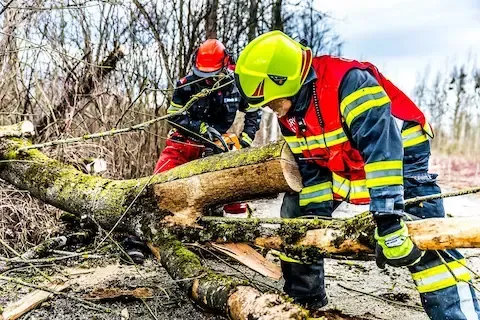
What's Included in our Salt Air Damage Treatment service?
Damage Assessment
Evaluation of salt exposure levels and identification of damaged versus salt-tolerant specimens. Understanding site-specific exposure helps prioritize treatment and replacement decisions.
Treatment Protocols
Foliar washing, soil leaching, and amendments to reduce salt accumulation and restore tree health. Treatments are timed to coastal weather patterns for maximum effectiveness.
Salt-Tolerant Selection
Recommendations for Live Oak, Southern Magnolia, Sabal Palm, and other species that naturally tolerate salt exposure better than sensitive varieties like Japanese Maple or Dogwood.
Serving St. Bernard Parish Properties
Expert Tree Care for Coastal Louisiana
Our crews serve properties throughout St. Bernard Parish and surrounding communities, bringing Louisiana coastal expertise to every location.
Proudly serving Meraux, Arabi, Violet,
Poydras and St. Bernard for 15+ years.
Frequently Asked Questions
Tree Service can be complex, and we’re here to provide answers to common questions. Here are some frequently asked questions from our clients.
Frequently Asked Questions about Tree Service
Do you offer free estimates for tree service in Chalmette?
Yes, we provide free estimates for most tree services including removal, pruning, and disease treatment. Our arborists will visit your property, assess the work needed, evaluate access and equipment requirements, and provide a detailed written quote. Emergency services during storms may have different pricing structures given the immediate response requirements and dangerous conditions. Estimates include labor, equipment, debris removal, and any permit fees for St. Bernard Parish compliance.
Are you licensed and insured for tree work in Louisiana?
Absolutely. We maintain Louisiana arborist licensing, full liability insurance, and workers compensation coverage for all crew members. Our ISA certifications demonstrate professional expertise, and our insurance protects your property in the unlikely event of accidents. We can provide proof of insurance and licensing documentation upon request, and many of our clients require this for their records before we begin work.
What areas do you service around Chalmette?
We serve all of St. Bernard Parish including Chalmette, Meraux, Arabi, Poydras, Violet, and surrounding communities. Our local focus allows rapid response throughout the parish, particularly important during hurricane season when emergency calls spike. If you're outside St. Bernard Parish, contact us—we can often accommodate nearby areas depending on project scope and scheduling.
How quickly can you respond to emergency tree situations?
We maintain 24/7 emergency availability with crews positioned throughout St. Bernard Parish for rapid response. During active storm events and immediately afterward, we typically respond within 2-4 hours depending on call volume and access conditions. Life-safety situations—trees on structures, blocking access, or threatening utilities—receive highest priority. Our emergency number connects you directly to dispatch coordinators who can provide realistic response timelines based on current conditions.
What payment methods do you accept?
We accept cash, checks, all major credit cards, and can work with insurance companies for storm damage claims. For larger projects, we can arrange payment schedules with deposits securing your scheduled work date. Emergency services typically require payment upon completion unless pre-arranged otherwise. We provide detailed invoices itemizing all work performed for your records and insurance documentation needs.
Do you handle the cleanup and debris removal?
Yes, complete debris removal is included in all our services. We cut wood into manageable sections, chip brush and small branches on-site, and haul away all material. For customers who want firewood, we can cut and stack usable wood at no extra charge—just let us know during the estimate. We leave your property clean, with disturbed areas raked and any lawn damage minimized through proper equipment placement and operational techniques.
Frequently Asked Questions about Salt Air Damage Treatment
How does salt air from the Gulf affect my Chalmette trees?
Salt spray from Gulf weather systems damages trees through multiple mechanisms. Salt desiccates foliage on contact, causing brown leaf edges and premature leaf drop. It accumulates in soil, interfering with water and nutrient uptake. Salt exposure weakens trees' natural defenses against diseases and insects. Repeated exposure causes cumulative damage that shortens tree lifespan. Wind-driven salt during hurricanes causes severe damage.
What are the first signs of salt damage on trees?
Initial symptoms include browning or yellowing of leaves starting at tips and margins. Premature leaf drop occurs during growing season. New growth emerges smaller and distorted. Bark cracking or peeling appears on windward sides facing Gulf winds. Branch dieback starts in upper canopy where salt exposure is greatest. Symptoms worsen on more exposed sides of trees.
Can trees recover from salt damage after hurricanes?
Recovery potential depends on exposure severity and tree species. Light salt spray damage often reverses as trees flush new growth the following season. Severe exposure requiring immediate foliage washing and soil amendments can save some trees. Species like Live Oak have better salt tolerance and recovery rates than sensitive species. Young vigorous trees recover better than mature stressed specimens.
What's the best way to protect trees from salt air in Chalmette?
Protection strategies include selecting salt-tolerant species for exposed locations. Anti-desiccant sprays applied before hurricane season create protective leaf coatings. Windbreaks of salt-tolerant plants reduce salt exposure to sensitive species. Proper irrigation leaches accumulated salt from root zones. Maintaining tree vigor through appropriate fertilization improves salt tolerance. Washing foliage after major salt events removes damaging deposits.
How far inland does salt air damage trees in St. Bernard Parish?
Further than most people assume. Routine onshore wind off Lake Borgne and the Mississippi River Gulf Outlet carries measurable salt aerosol well into the parish's residential sections, and storm surge pushes high-salinity water miles inland — trees several miles from open water can take salt loading that would be classed as severe. Exposure is also directional: south and east faces of a property, and the windward side of any individual canopy, take it first.
How soon after a storm should trees be rinsed for salt?
Within twenty-four to forty-eight hours of it being safe to move around, and sooner is better. The goal at that stage is not watering — it is physically flushing salt crystals off foliage, bark and the soil surface before they desiccate leaf tissue and migrate into the root zone. Work the canopy top-down where you can reach, then flood the root zone slowly. Do not fertilize during this phase; it adds osmotic stress to an already stressed tree.
Can soil be treated after saltwater intrusion in Chalmette?
Yes. Soil flushing with large volumes of fresh water applied slowly moves soluble salts down and away from feeder roots, and agricultural gypsum exchanges calcium for sodium in the soil matrix so the sodium can be leached out while soil structure recovers. Both work far better in Chalmette's heavy clay if the root zone is aerated first — vertical mulching or air spading creates the pathways that surface application alone cannot.
Which Chalmette trees are most sensitive to salt air?
Loblolly pine shows needle-tip dieback fastest and is highly sensitive to soil chloride. Red maple and sweetgum both scorch badly after tropical systems push coastal water inland. Water oak is moderately sensitive near the waterline areas. Bradford pear and most fruit trees fail quickly. Southern magnolia and crape myrtle sit mid-range. Live oak, bald cypress, sabal palm, wax myrtle and yaupon holly are the tolerant end of the scale.
How long does salt damage recovery take?
Foliage that has already browned will not recover — those cells are gone. What matters is whether damage reached the vascular system. A tree with marginal leaf burn but sound branch structure typically pushes acceptable new growth within one to two growing seasons once the salt source is reduced. Root-zone damage takes longer and is staged: flush first, stabilize soil biology, then feed cautiously once new growth resumes.
How do I tell salt damage from drought stress?
Both cause marginal leaf scorch, which is where the confusion comes from. The distinguishing factors are timing and pattern. Drought scorch hits the oldest leaves first and appears during measurably dry periods. Salt burn appears even after rainfall, because salt pulls water out of leaf cells through osmosis regardless of soil moisture, and it shows asymmetrically — heaviest on the windward side of the canopy. Disease starts with spots or lesions; salt skips straight to edge dieback.
Schedule Your Salt Damage Assessment
Comprehensive Tree Service Services in Chalmette
Tailored to Your Needs
Our Louisiana-licensed arborists understand the unique challenges facing trees in St. Bernard Parish. From hurricane preparation to coastal salt air exposure, we provide specialized care that addresses the specific environmental factors affecting Chalmette properties. Every service is designed to protect your investment while working with the subtropical climate and coastal conditions that make tree care in our area different from anywhere else.
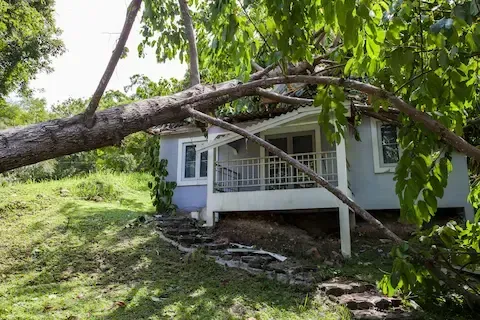
Expert emergency response for storm-damaged trees throughout Chalmette and St. Bernard Parish.
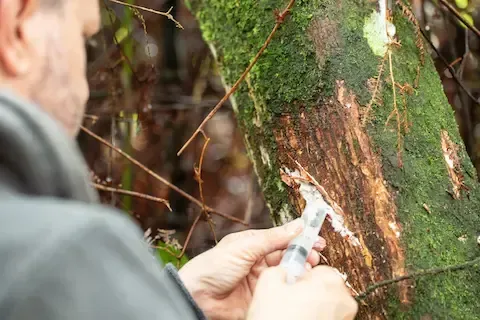
Protect your Chalmette property with expert hurricane tree risk assessment before storm season.
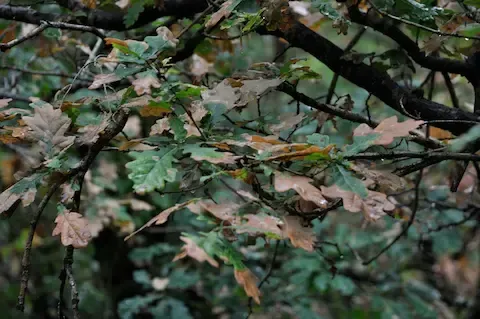
Professional Live Oak disease diagnosis and treatment for Chalmette's coastal conditions.
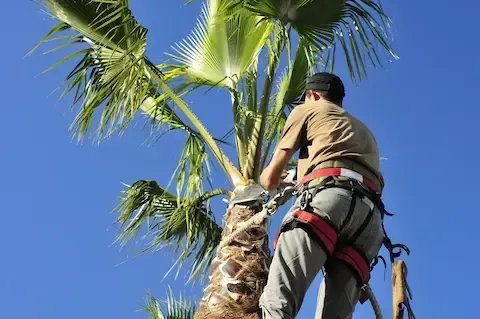
Specialized palm tree care for Chalmette's subtropical landscape and hurricane conditions.
Professional Chinese Tallow and invasive species removal throughout Chalmette properties.
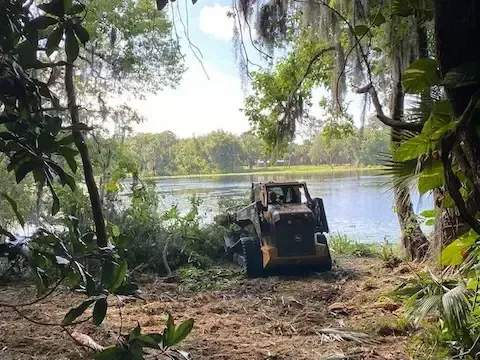
Specialized tree management for flood-prone areas throughout St. Bernard Parish.
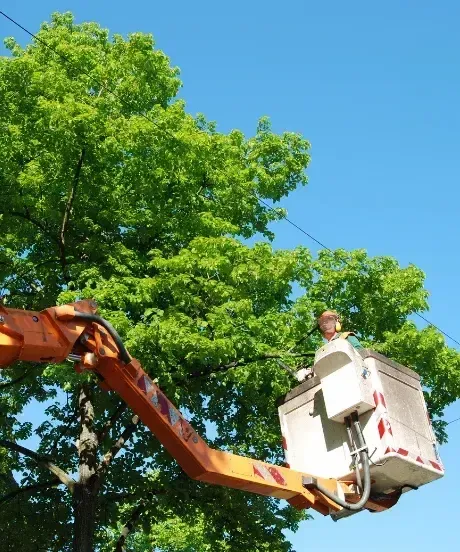
Full-service tree removal with complete permit handling for Chalmette and St. Bernard Parish properties.
Specialized salt air damage treatment for coastal Louisiana tree challenges.
Expert tree trimming for Chalmette's subtropical climate and hurricane conditions.
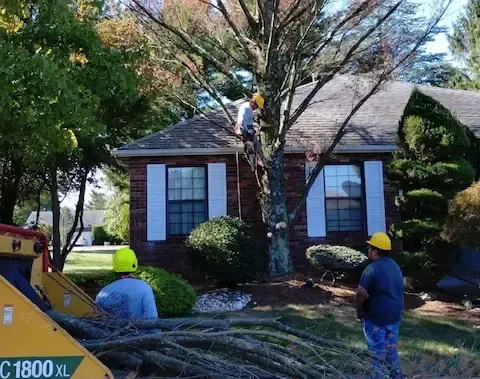
ISA-certified arborist reports and professional tree assessments for Chalmette properties.
What Our Satisfied Clients Have to Say About Chalmette Tree Service
We pride ourselves on delivering great results and experiences for each client. Hear directly from home and business owners who’ve trusted us with their Tree Service needs.

Outstanding emergency response after Hurricane winds damaged three large oaks on our property. They arrived within hours, removed the trees safely from our roof, and worked directly with our insurance company. Professional, fast, and exactly what we needed during a stressful situation.
Robert & Marie T., Chalmette
Their Live Oak disease treatment saved our 150-year-old tree that we thought was dying. They explained the coastal salt and humidity issues affecting it, treated the fungal problems, and it's thriving again. Truly experts who understand Louisiana tree challenges.
James L., St. Bernard Parish
Used them for hurricane preparation pruning before storm season and glad we did. They identified weak branches, thinned the canopy properly, and our trees came through the storms with minimal damage. Worth every penny for the peace of mind and protection.
Patricia K., Meraux
The Trusted Tree Service Expert Near You
Ready to hear more about expert services at Chalmette Tree Service?
Contact us today to receive a detailed, no-obligation quote.


Chalmette & the New Orleans Metro Area
8am-5pm, Mon-Sat