
Live Oak Disease Treatment in Chalmette, LA
Specialized Coastal Oak Care
Live Oaks are Louisiana's signature trees, but the combination of coastal salt air, high humidity, and subtropical heat creates perfect conditions for fungal diseases and stress disorders. Our arborists diagnose and treat oak wilt, anthracnose, bacterial leaf scorch, root rot, and the declining vigor that often affects coastal specimens. Treatment protocols address both the visible symptoms and underlying causes, including soil conditions, drainage problems, and salt accumulation that weaken trees over time. We use targeted fungicide applications, soil amendments, and cultural practices proven effective in St. Bernard Parish conditions.
Don't watch your valuable Live Oak decline—these trees can live for centuries with proper care. Our disease management programs include ongoing monitoring to catch problems early, before significant damage occurs. Contact us for a comprehensive Live Oak health assessment and treatment plan designed specifically for Chalmette's challenging coastal environment.
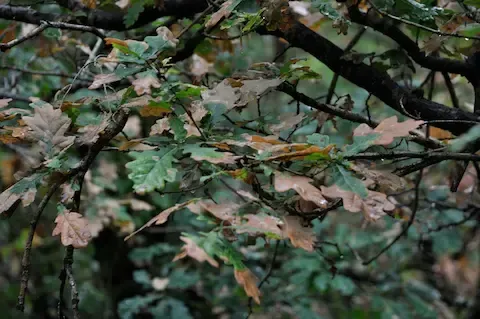
What's Included in our Live Oak Disease Treatment service?
Fungal Disease Management
Treatment for anthracnose, powdery mildew, and other fungal issues exacerbated by Louisiana's humidity. Includes fungicide applications timed to coastal weather patterns and disease pressure cycles.
Salt Damage Remediation
Soil amendments and foliar treatments to address salt accumulation from Gulf air exposure. Includes improving drainage and leaching excess salts from the root zone of affected trees.
Oak Wilt Prevention
Proper pruning timing to minimize infection risk and fungicide injections for high-value specimens. Critical in areas where oak wilt has been detected in Louisiana parishes.
Serving St. Bernard Parish Properties
Expert Tree Care for Coastal Louisiana
Our crews serve properties throughout St. Bernard Parish and surrounding communities, bringing Louisiana coastal expertise to every location.
Proudly serving Meraux, Arabi, Violet,
Poydras and St. Bernard for 15+ years.
Frequently Asked Questions
Tree Service can be complex, and we’re here to provide answers to common questions. Here are some frequently asked questions from our clients.
Frequently Asked Questions about Tree Service
Do you offer free estimates for tree service in Chalmette?
Yes, we provide free estimates for most tree services including removal, pruning, and disease treatment. Our arborists will visit your property, assess the work needed, evaluate access and equipment requirements, and provide a detailed written quote. Emergency services during storms may have different pricing structures given the immediate response requirements and dangerous conditions. Estimates include labor, equipment, debris removal, and any permit fees for St. Bernard Parish compliance.
Are you licensed and insured for tree work in Louisiana?
Absolutely. We maintain Louisiana arborist licensing, full liability insurance, and workers compensation coverage for all crew members. Our ISA certifications demonstrate professional expertise, and our insurance protects your property in the unlikely event of accidents. We can provide proof of insurance and licensing documentation upon request, and many of our clients require this for their records before we begin work.
What areas do you service around Chalmette?
We serve all of St. Bernard Parish including Chalmette, Meraux, Arabi, Poydras, Violet, and surrounding communities. Our local focus allows rapid response throughout the parish, particularly important during hurricane season when emergency calls spike. If you're outside St. Bernard Parish, contact us—we can often accommodate nearby areas depending on project scope and scheduling.
How quickly can you respond to emergency tree situations?
We maintain 24/7 emergency availability with crews positioned throughout St. Bernard Parish for rapid response. During active storm events and immediately afterward, we typically respond within 2-4 hours depending on call volume and access conditions. Life-safety situations—trees on structures, blocking access, or threatening utilities—receive highest priority. Our emergency number connects you directly to dispatch coordinators who can provide realistic response timelines based on current conditions.
What payment methods do you accept?
We accept cash, checks, all major credit cards, and can work with insurance companies for storm damage claims. For larger projects, we can arrange payment schedules with deposits securing your scheduled work date. Emergency services typically require payment upon completion unless pre-arranged otherwise. We provide detailed invoices itemizing all work performed for your records and insurance documentation needs.
Do you handle the cleanup and debris removal?
Yes, complete debris removal is included in all our services. We cut wood into manageable sections, chip brush and small branches on-site, and haul away all material. For customers who want firewood, we can cut and stack usable wood at no extra charge—just let us know during the estimate. We leave your property clean, with disturbed areas raked and any lawn damage minimized through proper equipment placement and operational techniques.
Frequently Asked Questions about Live Oak Disease Treatment
How can I tell if my Live Oak is diseased or just stressed from weather?
Disease symptoms typically include progressive branch dieback starting in the canopy, unusual leaf discoloration or premature leaf drop outside normal cycles, fungal growth on bark or at the base, oozing or staining on the trunk, and decline that worsens over successive growing seasons.
Can oak wilt spread to other trees in my Chalmette landscape?
Yes, oak wilt can spread through root grafts between nearby oaks and through insect vectors that carry fungal spores. If one oak develops oak wilt, adjacent Live Oaks within 50 feet are at significant risk through underground root connections.
What causes the black spots and leaf curl I see on my Live Oak leaves?
This typically indicates anthracnose, a fungal disease that thrives in Louisiana's humid spring conditions. Anthracnose causes irregular brown or black lesions on leaves, premature leaf drop, and shoot dieback on severely infected trees.
How long does it take to see improvement after treating a diseased Live Oak?
Response timelines vary by disease type and severity. Fungal treatments for anthracnose or powdery mildew often show improvement within one growing season as new, healthy foliage emerges. Systemic treatments for bacterial infections or soil-borne pathogens may require 12-18 months to show significant improvement.
What diseases affect live oaks in Chalmette and St. Bernard Parish?
The three we see most are hypoxylon canker, which colonizes oaks already weakened by drought, flooding or root damage and shows as bark sloughing over a tan or silvery fungal crust; root and butt rot fungi, often first visible as conks at the trunk flare; and bacterial wetwood, which weeps dark fluid down the bark. Ball moss and Spanish moss are frequently blamed but are not pathogens. Correct identification changes the treatment entirely.
How do I know if my live oak is dying or just stressed?
Stress and decline look similar early and diverge on structure. A stressed oak has thin canopy, smaller leaves and tip dieback but sound wood and no fungal fruiting. A declining oak adds bark cracking or sloughing, conks or mushrooms at the base or on major limbs, dead scaffold limbs rather than twigs, and no spring flush in a section of canopy. Thin canopy alone is usually recoverable. Structural symptoms are not, without intervention. Call (504) 387-8900 for an assessment.
Can a heritage live oak be saved once it has started to decline?
Frequently, yes — most heritage oaks in Chalmette that get written off are suffering from soil compaction and root damage rather than an untreatable pathogen. Air spading or vertical mulching to decompact the root zone, deep root feeding, mulch extended ten feet from the trunk, and removal of only the wood the tree can no longer support will turn a large share of them around. What cannot be reversed is a failed root plate or more than half the canopy structurally dead.
How long does live oak disease treatment take to show results?
Longer than most owners expect. An oak that has been in decline for five years commonly needs two to three full growing seasons of consistent care before canopy density measurably improves. The first visible sign is usually a fuller spring flush in the second season, not the first. Programs are staged deliberately across seasons — overfeeding a stressed oak pushes shoot growth the damaged root system cannot support and makes the decline worse.
Does salt exposure make live oak disease worse in Chalmette?
Yes, and it is the pathway most owners miss. Live oaks are among the most salt-tolerant hardwoods on the Gulf, so they rarely show dramatic foliar burn — but chloride accumulating in the root zone after surge flooding suppresses calcium and potassium uptake and weakens the tree's defenses for years afterward. Hypoxylon and root rot then move into a tree that looks superficially fine. Properties that flooded in past hurricanes carry that legacy salinity today.
Is oak wilt a problem in St. Bernard Parish?
Oak wilt is not established in the New Orleans area and is not what is killing Chalmette live oaks — it is a Texas and central-state problem that gets applied to Louisiana oaks incorrectly. Our decline cases are overwhelmingly hypoxylon canker, root and butt rot, and soil-related root failure. This matters because oak wilt protocols involve trunk injections and root-graft severing that do nothing for the diseases actually present here.
Schedule Your Oak Health Assessment
Comprehensive Tree Service Services in Chalmette
Tailored to Your Needs
Our Louisiana-licensed arborists understand the unique challenges facing trees in St. Bernard Parish. From hurricane preparation to coastal salt air exposure, we provide specialized care that addresses the specific environmental factors affecting Chalmette properties. Every service is designed to protect your investment while working with the subtropical climate and coastal conditions that make tree care in our area different from anywhere else.
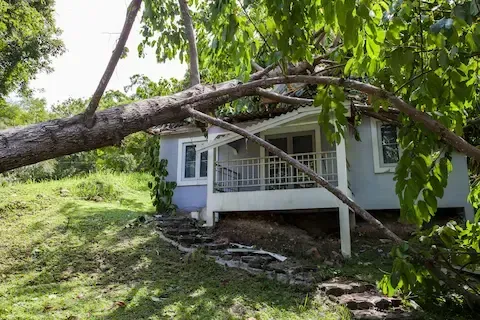
Expert emergency response for storm-damaged trees throughout Chalmette and St. Bernard Parish.
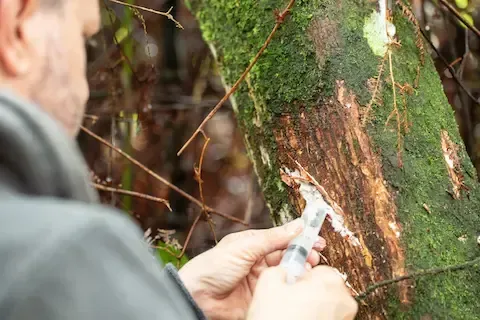
Protect your Chalmette property with expert hurricane tree risk assessment before storm season.
Professional Live Oak disease diagnosis and treatment for Chalmette's coastal conditions.
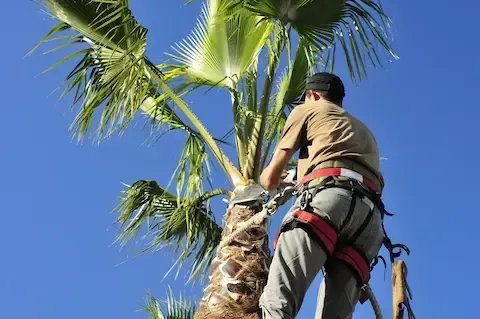
Specialized palm tree care for Chalmette's subtropical landscape and hurricane conditions.
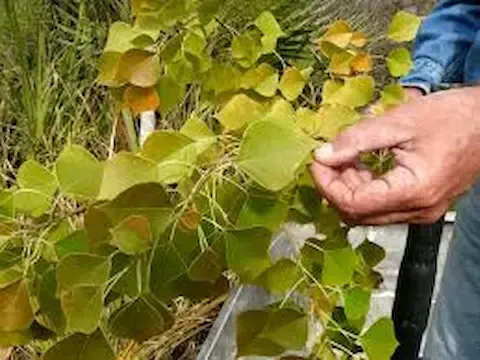
Professional Chinese Tallow and invasive species removal throughout Chalmette properties.
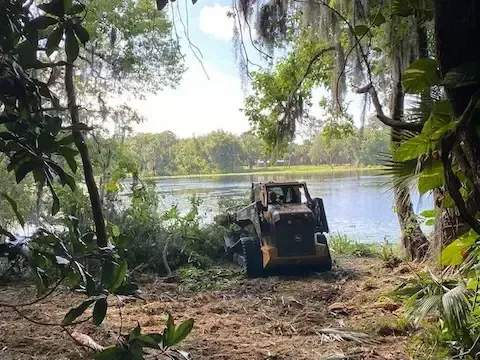
Specialized tree management for flood-prone areas throughout St. Bernard Parish.
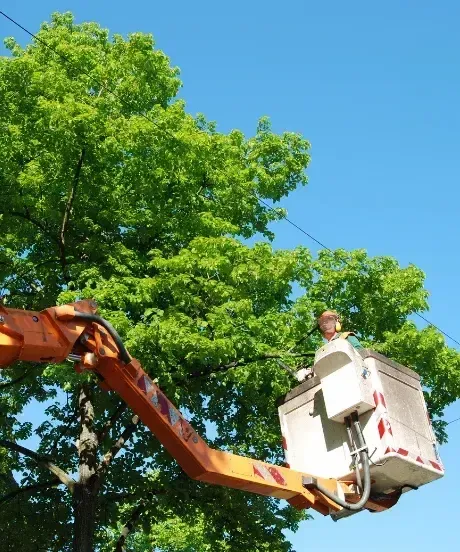
Full-service tree removal with complete permit handling for Chalmette and St. Bernard Parish properties.
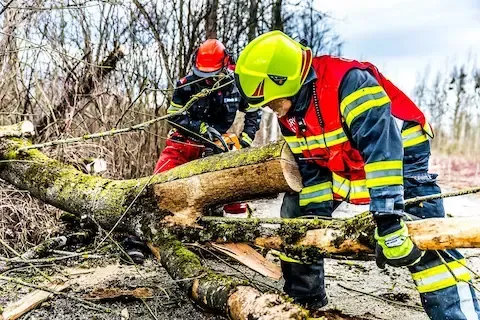
Specialized salt air damage treatment for coastal Louisiana tree challenges.
Expert tree trimming for Chalmette's subtropical climate and hurricane conditions.
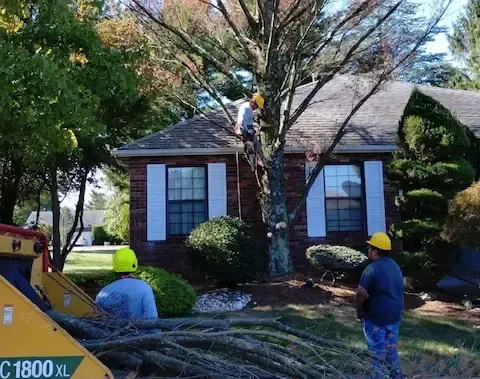
ISA-certified arborist reports and professional tree assessments for Chalmette properties.
What Our Satisfied Clients Have to Say About Chalmette Tree Service
We pride ourselves on delivering great results and experiences for each client. Hear directly from home and business owners who’ve trusted us with their Tree Service needs.

Outstanding emergency response after Hurricane winds damaged three large oaks on our property. They arrived within hours, removed the trees safely from our roof, and worked directly with our insurance company. Professional, fast, and exactly what we needed during a stressful situation.
Robert & Marie T., Chalmette
Their Live Oak disease treatment saved our 150-year-old tree that we thought was dying. They explained the coastal salt and humidity issues affecting it, treated the fungal problems, and it's thriving again. Truly experts who understand Louisiana tree challenges.
James L., St. Bernard Parish
Used them for hurricane preparation pruning before storm season and glad we did. They identified weak branches, thinned the canopy properly, and our trees came through the storms with minimal damage. Worth every penny for the peace of mind and protection.
Patricia K., Meraux
The Trusted Tree Service Expert Near You
Ready to hear more about expert services at Chalmette Tree Service?
Contact us today to receive a detailed, no-obligation quote.


Chalmette & the New Orleans Metro Area
8am-5pm, Mon-Sat