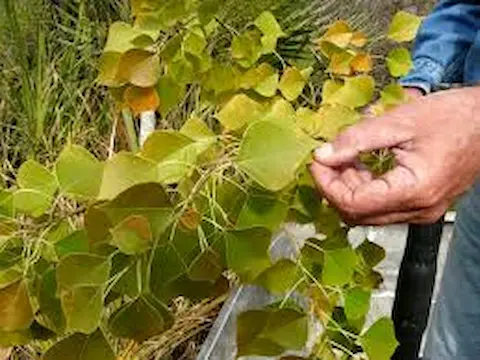
Native Replacements After Chinese Tallow in Chalmette
Removing Chinese tallow is only the first half of the job. Once a tallow tree comes down in Chalmette, it leaves behind compacted soil, depleted root zones, and a gap in the canopy that the invasive species had been occupying for years. If you leave that space empty, the tallow will often try to fill it again through root sprouts or dropped seeds from neighboring trees. The real solution is replacing it with something that belongs here — a native species that supports the local ecosystem, tolerates Southeast Louisiana's weather extremes, and builds a canopy that lasts for generations.
Why Native Replacements Matter in St. Bernard Parish
Chinese tallow trees were introduced decades ago and spread rapidly across Louisiana because they grow fast, tolerate wet soils, and produce abundant seeds. Birds eat those seeds and spread them far beyond where a single tree was planted. In Chalmette and throughout St. Bernard Parish, tallow trees have displaced native species in backyards, along drainage canals, and in natural areas near the Bayou Bienvenue Wetland Triangle. What looks like a shady tree is actually a monoculture threat — tallow leaf litter contains chemicals that inhibit the growth of native seedlings beneath it.
Replacing removed tallow with native species restores the ecological function that was lost. Native trees support local insects, which in turn feed birds and other wildlife. They are adapted to the soil types and flooding patterns in St. Bernard Parish, meaning they typically require less maintenance once established. From a purely practical standpoint, they also tend to live longer and cause fewer structural problems than fast-growing invasives.
Choosing the Right Native Tree for the Site
Not every native tree is right for every location. Before selecting a replacement, you need to assess how wet the soil gets after rain, how much full sun the spot receives, how close the planting site is to structures or utilities, and how much space the canopy and root system will eventually need. Chalmette's geography adds another variable — proximity to tidal influences and the particular soil composition left behind by decades of flood events means you're working with conditions that differ even from nearby New Orleans neighborhoods.
Our Chinese Tallow Removal service includes stump grinding and root treatment to prepare the site properly before replanting. Starting with a clean root zone dramatically improves the survival rate of young native trees in the first two to three years after planting.
Best Native Trees to Plant After Tallow Removal
The following species perform well in Chalmette's conditions and are available through Louisiana nurseries that carry regionally appropriate stock.
Bald Cypress
Bald cypress is the defining tree of Louisiana's wetland landscape and one of the most resilient options for low-lying Chalmette lots. It tolerates extended flooding, handles full sun, and grows large enough to replace the canopy coverage that a tallow tree provided. It is a deciduous conifer, so it drops its soft needles in winter, but the structure it adds to a yard is significant. Root systems are typically deep and far-reaching, which is why you should avoid planting them within fifteen feet of slab foundations or sewer lines.
Live Oak
Live oak is the signature shade tree of South Louisiana neighborhoods. It grows slowly at first but becomes one of the most durable canopy trees available in the region. Live oaks are semi-evergreen, holding their leaves through winter and shedding them in early spring just before new growth emerges. They tolerate heat, salt air, and the heavy rains that come with hurricane season. In Chalmette specifically, live oaks planted in well-drained areas of a yard — even slightly elevated spots — tend to establish quickly and thrive with minimal intervention. Give them room: a mature live oak needs thirty to fifty feet of horizontal canopy space.
Southern Magnolia
Southern magnolia offers year-round visual appeal with its large waxy leaves and fragrant white blooms. It is well-suited to Chalmette's climate and grows reasonably fast under full sun. Magnolias do drop leaves throughout the year rather than in a single seasonal flush, which some homeowners find inconvenient, but they provide dense shade and require minimal pruning once established. They are moderately tolerant of brief flooding but prefer soils that drain within forty-eight hours after heavy rain.
Swamp Red Maple
For wet areas of a yard that stay saturated for extended periods, swamp red maple is worth considering. It provides fall color, grows relatively quickly compared to live oak, and supports a wide variety of native insects. It is a medium-sized tree, typically reaching thirty to forty feet, which makes it appropriate for lots where a large canopy tree would create conflicts with overhead utilities.
Buttonbush
For very wet or marginal areas near drainage ditches or the edges of properties that border wetland zones, buttonbush is a shrubby native that fills space without creating future removal problems. It is not a shade canopy tree, but it controls erosion, supports pollinators, and prevents tallow seedlings from reestablishing in areas where a full-sized tree is not practical.
Site Preparation After Tallow Removal
The soil conditions under a mature tallow tree are often chemically altered by years of leaf litter accumulation. Before planting, it helps to remove as much of the surface organic layer left by the tallow as possible and to add native compost or aged wood chip mulch to begin restoring microbial health to the soil. Avoid using herbicide residuals near where you plan to plant — some tallow stump treatments require time before the soil is ready to support new growth. If you read through our earlier invasive tree removal walkthrough, you'll find specific notes on timing between removal treatment and replanting that apply directly to Chalmette conditions.
Watering newly planted native trees during their first two summers is critical, even for species labeled as drought-tolerant. Native trees reach their drought resistance only after their root systems are established, which typically takes two to three growing seasons in St. Bernard Parish's climate.
Long-Term Canopy Planning
One removed tallow tree often represents years of canopy coverage that the new planting will take time to replace. Planting two or three smaller native species in combination — for example, a live oak as the long-term anchor with swamp red maple or buttonbush filling space in the shorter term — gives you a layered canopy that develops incrementally rather than leaving the yard exposed for a decade waiting for a single tree to mature.
Many Chalmette homeowners who have gone through this process report that within five to seven years, the replacement planting looks more natural, attracts more wildlife, and creates less maintenance burden than the tallow ever did. The upfront planning and proper site preparation make a significant difference in how quickly and successfully the transition happens.
