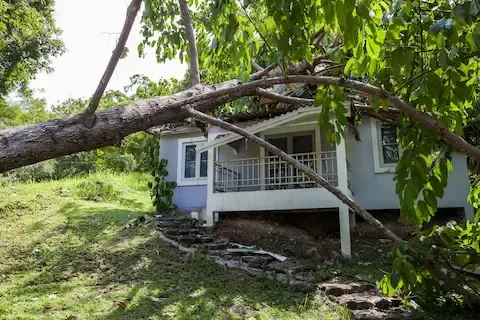
Emergency Storm Tree Removal in Chalmette in Chalmette Louisiana coastal tree service

Emergency Storm Tree Removal in Chalmette: 24/7 Response Protocol

January 12, 202614 min read

Storm damage transforms trees from landscape assets into immediate threats within minutes. A tree that stood safely in your yard for decades can suddenly pierce your roof, block evacuation routes, or entangle power lines after severe weather passes through Chalmette. Understanding how emergency tree removal works, what situations truly constitute emergencies, and how to navigate the chaotic hours after a major storm helps you protect your property and family when weather turns destructive.

Emergency tree work differs fundamentally from routine tree service. The hazards multiply, the equipment requirements change, the costs increase substantially, and the decision-making process compresses into minutes rather than days. Knowing what to expect before you face a tree emergency reduces panic and helps you make sound choices when a 60-foot oak is resting against your home and rain is still falling.

Defining True Tree Emergencies

Not every storm-damaged tree requires immediate emergency response, and understanding the distinction affects both your safety and your wallet. True emergencies involve active threats to people or property that demand intervention regardless of time, weather conditions, or cost.

Trees or large branches resting on structures create genuine emergencies when they've penetrated roofs, broken through walls, or compromised structural integrity. The weight continues stressing the building, and any shift in the tree's position could expand the damage. Rain entering through roof breaches causes secondary damage that worsens by the hour. These situations require immediate professional response to stabilize the tree, prevent further damage, and allow temporary repairs to protect the interior.

Trees blocking critical access routes constitute emergencies when they prevent evacuation, block emergency vehicle access, or trap residents. A tree across your driveway inconveniences you but doesn't require emergency rates unless someone needs medical attention or the blockage prevents you from reaching safety. The same tree blocking the only road out of a flooded neighborhood demands immediate clearing regardless of conditions.

Trees contacting or hanging over power lines create dangerous situations that require utility company coordination before tree services can safely work. Never approach trees entangled with power lines, and always assume downed lines are energized. Report these situations to your utility provider immediately, and understand that tree removal must wait until the power company de-energizes the lines or determines they're safe to work around.

Partially failed trees hanging precariously in other trees—the classic widow-maker scenario—present serious hazards but don't always require immediate night-time response. If the hanging section threatens structures or areas where people must pass, emergency removal makes sense. If it's suspended over an unused back corner of your lot away from buildings, waiting for daylight and better weather conditions is often safer for the crew and more cost-effective for you.

Trees leaning severely but not yet fallen require careful assessment. A tree that moved during the storm and now leans 45 degrees toward your house with visible root displacement will likely continue failing, but the timing is uncertain. This situation warrants urgent professional evaluation but might not require middle-of-the-night removal. Trees that are actively moving, creaking, or showing progressive failure as you watch them demand immediate response.

Immediate Safety Protocols After Storm Damage

Your actions in the first minutes after discovering storm-damaged trees directly affect safety outcomes. Following proper protocols protects you while emergency crews respond.

Evacuate areas beneath damaged trees immediately. Don't attempt to retrieve possessions, move vehicles, or assess damage while standing under compromised trees. Partially failed trees can complete their collapse without warning, and even professional arborists won't work beneath unstable trees without proper rigging and safety systems in place.

Establish a safety perimeter around the entire damaged area extending at least one and a half times the tree's height in all directions. Mark the perimeter with caution tape, traffic cones, or temporary fencing if available. Keep family members, neighbors, and particularly children away from the danger zone. Storm-damaged trees attract curiosity, but spectators put themselves at risk and interfere with emergency operations.

Document conditions thoroughly with photos and video before anything moves or changes. Capture wide shots showing the tree's relationship to structures, close-ups of damage points, and images of any exposed roots or broken branches. This documentation supports insurance claims and helps emergency responders understand the situation before they arrive. Take photos from safe distances using zoom rather than approaching hazards for better angles.

Contact your insurance company as soon as safety allows. Many homeowners policies cover emergency tree removal when trees damage structures or block access, but coverage details vary significantly between policies. Understanding your coverage before authorizing expensive emergency work prevents disputes later. Ask specifically about coverage limits, deductibles, and whether emergency stabilization differs from complete removal in terms of reimbursement.

Avoid attempting any tree work yourself, even minor branch removal. Storm-damaged trees contain tension and compression forces that aren't visible from the ground. Branches that appear stable can spring violently when cut, and partially failed trunks may shift unexpectedly. Chain saw injuries increase dramatically after storms as homeowners attempt removal work beyond their skill and equipment capabilities.

The Emergency Response Timeline

Understanding how emergency tree services operate during major weather events helps set realistic expectations for response times and availability. Chalmette experiences significant storm activity, and when widespread damage occurs, the demand for emergency services far exceeds available crews.

Initial contact during active emergencies often reaches answering services or emergency dispatchers rather than the tree company owner directly. Provide clear information about your situation including the specific hazard, whether structures are damaged, if power lines are involved, and if anyone is injured or trapped. This information helps dispatchers prioritize calls and send appropriate resources.

Response time prioritization follows a triage system similar to emergency medical services. Life-threatening situations receive immediate response. Trees on occupied structures come next, followed by trees blocking evacuation routes, then trees threatening unoccupied structures, and finally trees that have fallen but aren't creating active hazards. During widespread storm events, expect 4 to 12 hour delays even for high-priority situations, and understand that lower-priority calls may wait 24 to 48 hours.

Crews arriving for emergency work focus on immediate hazard mitigation rather than complete cleanup. Their goal is to stabilize the situation, remove immediate threats, and make the scene safe enough for temporary repairs and normal access. Complete removal of all debris, stump grinding, and restoration work happens during follow-up visits after the emergency phase concludes. Expecting crews to leave your property in finished condition during emergency response is unrealistic and often impossible given the volume of calls requiring attention.

Weather conditions affect response capabilities significantly. Tree crews can't safely work during active lightning, high winds, or when visibility is severely compromised. Even after conditions improve, wet surfaces, mud, and debris-covered ground slow operations and increase risk. The same removal that takes three hours in dry conditions might require six hours or more in post-storm conditions.

Emergency Removal Costs and Pricing Structure

Emergency tree work costs substantially more than routine service, and understanding the pricing structure helps you make informed decisions during stressful situations. Multiple factors beyond the tree itself affect final costs.

After-hours premiums apply to work performed outside normal business hours, typically defined as 8 AM to 5 PM Monday through Friday. Evening and weekend work generally carries a 50% premium over standard rates. Middle-of-the-night emergency response can cost 100% to 150% more than the same work performed during business hours. If your situation allows waiting for daylight or normal business hours without increased risk, the cost savings are substantial.

Hazard complexity multiplies base costs significantly. Trees resting on structures require careful rigging to prevent additional damage during removal. Each piece must be controlled and lowered rather than simply dropped. This precision work takes longer and requires more skilled personnel. Trees entangled with utility lines often require utility company coordination and specialized procedures that add both time and cost. Compromised trees in difficult positions where crane access is limited demand advanced rigging skills and increase labor hours.

Equipment mobilization during emergencies costs more than standard service calls. Cranes, bucket trucks, and specialized rigging equipment must be transported to your site, often through debris-filled streets and damaged infrastructure. Companies charge mobilization fees covering equipment transport, setup, and the opportunity cost of dedicating expensive equipment to your job when multiple emergencies demand attention.

Crew size affects costs directly. Emergency situations often require three to five person crews where routine work might need only two workers. The additional personnel provide safety support, operate specialized equipment, and allow faster completion of dangerous work. You're paying for the entire crew's time at emergency rates.

Disposal complications add expenses during widespread storm events. Normal disposal facilities may be closed, overloaded, or inaccessible due to storm damage. Debris removal might require temporary on-site storage, multiple trips to distant facilities, or coordination with municipal emergency debris removal programs. These logistical challenges translate directly into higher costs.

Typical emergency removal for a large tree on a structure in Chalmette ranges from $2,500 to $8,000 depending on size, complexity, and timing. Simple branch removal from a roof might cost $800 to $1,500 during emergency hours. Trees blocking driveways without structural contact typically run $1,200 to $3,000. These figures represent starting points, and particularly complex situations can exceed these ranges significantly.

Working With Insurance on Emergency Claims

Homeowners insurance coverage for tree damage varies considerably between policies, and understanding your specific coverage before emergencies occur prevents financial surprises during already stressful situations.

Most standard homeowners policies cover tree removal when trees damage covered structures like your home, garage, or fence. This coverage typically includes both the removal cost and repairs to the structure. However, coverage limits often cap tree removal reimbursement at $500 to $1,500 per tree, with total limits of $1,000 to $2,500 per storm event regardless of how many trees fall. These limits may not cover full emergency removal costs, leaving you responsible for the difference.

Trees that fall without damaging structures generally aren't covered under standard policies. A tree that falls in your yard away from buildings becomes your responsibility even if storm damage caused the failure. The same tree falling on your home triggers coverage. This distinction seems arbitrary but reflects the insurance principle of covering property damage rather than landscape maintenance.

Documentation requirements for insurance claims include photos of damage before removal, detailed invoices showing work performed, and often written assessments from the tree service explaining why emergency removal was necessary. Take extensive photos before allowing any work to begin. Some insurance companies require advance approval for emergency work, though most understand that true emergencies can't wait for adjuster visits. Call your insurance company's emergency line as soon as possible after damage occurs.

Consider requesting emergency tree removal estimates in writing before authorizing work when circumstances allow. Having written estimates helps during insurance claims and prevents disputes about charges. In genuine emergencies where immediate action is required to prevent injury or stop ongoing damage, verbal authorization may be necessary, but request written confirmation of rates and estimated costs as soon as practical.

Separate emergency stabilization from complete removal when possible for insurance purposes. Emergency work to remove a tree from your roof and prevent further damage often receives better insurance coverage than complete debris removal and cleanup. Some homeowners choose to have emergency crews perform only the critical stabilization work at emergency rates, then schedule complete cleanup during normal business hours at standard pricing to reduce out-of-pocket costs.

Selecting Emergency Tree Service Providers

The chaotic aftermath of major storms creates opportunities for unqualified operators and price gougers. Knowing how to identify legitimate, qualified emergency tree services protects you from additional problems when you're already dealing with storm damage.

Verify licensing and insurance before authorizing work. Louisiana requires tree service companies to carry liability insurance and workers compensation coverage. Ask for proof of current insurance and verify coverage amounts. Companies without proper insurance put you at risk for liability if workers are injured on your property or if their work causes additional damage. Legitimate companies provide insurance certificates immediately upon request. Hesitation or inability to produce documentation is a red flag.

Check for professional certifications when possible. ISA Certified Arborists have demonstrated knowledge through examination and maintain certification through continuing education. While certification isn't required for tree removal, it indicates commitment to professional standards. During emergencies, you might not have time for extensive vetting, but if multiple companies are available, preference goes to those with certified staff.

Be wary of door-to-door solicitors after storms. While some legitimate companies canvas affected neighborhoods, many storm chasers follow weather events specifically to exploit vulnerable homeowners. Ask for local references, verify physical business addresses, and be suspicious of anyone demanding full payment upfront or offering deals only if you sign immediately.

Get multiple estimates when your situation allows time for comparison. True emergencies requiring immediate response don't permit shopping around, but many situations that seem urgent actually allow a few hours for obtaining competing bids. The tree leaning against your house but not actively causing damage can probably wait while you contact two or three companies for price quotes.

Understand payment terms before work begins. Legitimate companies typically require deposit payments of 25% to 50% for large jobs, with the balance due upon completion. Be cautious of companies demanding full payment before starting work or requesting cash-only payment. Credit card payments provide additional consumer protection if disputes arise about work quality or pricing.

Post-Emergency Recovery and Follow-Up Work

Emergency tree removal addresses immediate hazards but rarely completes all necessary work. Understanding what happens after the emergency phase helps you plan for complete property recovery.

Temporary stabilization versus complete removal represents the dividing line between emergency and follow-up work. Emergency crews might remove the portion of a tree that's resting on your roof and creating immediate danger while leaving the trunk, root ball, and scattered debris for later cleanup. This approach reduces emergency costs while addressing the actual hazard. Schedule complete removal during normal business hours at standard rates once the emergency concludes.

Stump removal and grinding typically occur during follow-up visits rather than emergency response. Grinding equipment is often different from removal equipment, and emergency crews focus on hazard elimination rather than complete site restoration. Expect to schedule stump grinding separately, often weeks after the initial emergency when the company's schedule allows routine appointments.

Property damage assessment should occur after tree removal but before cleanup completely erases evidence of what occurred. Insurance adjusters often need to see damage in context, and having trees removed but debris left in place allows proper assessment. Coordinate with your insurance company about timing for complete cleanup to avoid complications with your claim.

Landscape restoration including soil repair, grass reseeding, and replanting becomes relevant weeks or months after emergency removal. Large tree removals leave disturbed soil, exposed root channels, and compacted areas where heavy equipment operated. Planning for restoration as part of your overall recovery budget ensures your property eventually returns to pre-storm condition.

Preventing Future Emergency Situations

While storms cause unpredictable damage, many emergency tree situations result from deferred maintenance and ignored warning signs. Proactive tree care reduces emergency risk significantly.

Regular professional inspections identify hazard trees before storms test their weaknesses. Annual or biennial assessments by qualified arborists catch decay, structural defects, and disease while trees can still be safely removed during routine service calls at standard pricing. The cost of proactive removal is typically one-third to one-half the cost of emergency removal after failure.

Proper pruning maintains tree structure and reduces wind resistance. Trees that have been professionally maintained throughout their lives shed wind more effectively and resist storm damage better than neglected specimens. Removing dead branches, correcting co-dominant stems, and thinning dense canopies before hurricane season reduces failure probability during severe weather.

Strategic tree removal eliminates unacceptable risks before they manifest. Trees positioned too close to structures, those showing significant decay, or species known for storm weakness might warrant removal even when currently stable. Making these decisions during calm weather at your own pace is far preferable to dealing with emergency removal after the tree has already fallen.

Understanding your property's trees, their conditions, and their risk factors gives you realistic expectations about storm vulnerability. No property can be made completely storm-proof, but knowing which trees present the highest risks allows you to prioritize maintenance budgets and make informed decisions about long-term landscape management.

Emergency storm tree removal remains a critical service that protects property and safety when severe weather damages trees. Knowing how the emergency response system works, what situations truly require immediate action, and how to navigate the insurance and contractor selection process helps you respond effectively when storms turn your landscape into a hazard zone.

Back to Blog